Art and Craft Workshops in Jodhpur
Rare crafts, taught hands-on by the artisans who still practise them.
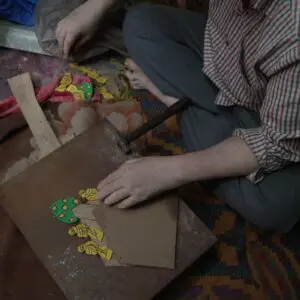
Some of Jodhpur’s traditional crafts are now practised by only a small number of artists, with a few surviving within a single family. A good example is Dhaal and talwar engraving. This craft involves decorating traditional shields and swords. It is now practised by very few artisans. Moreover, horn and bone carving has become less common as fewer people enter the craft and demand for traditional work declines. A personalised craft experience in Jodhpur gives you the chance to learn these techniques directly from the people who continue to practise them.
There are more accessible crafts on the list too. Jutti making is one of Jodhpur’s best-known traditions, with its embroidered leather footwear now protected by a Geographical Indication tag. Tie and dye is taught by the family of the late Mohammed Ishaq, continuing the hand-tying and colouring techniques passed down through the household. You can also try gold emboss painting, multi-style painting, metal engraving, toran making, and cane and bamboo weaving. Each session is conducted by an artisan who actively practises the craft, so you learn by making rather than simply watching a demonstration.
City and Food Walks In Jodhpur
Explore Jodhpur on foot with local hosts who know the city’s streets, markets and food spots well.
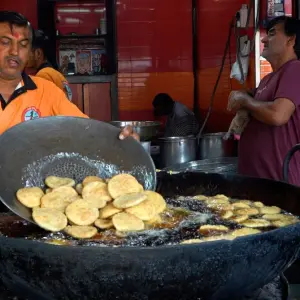
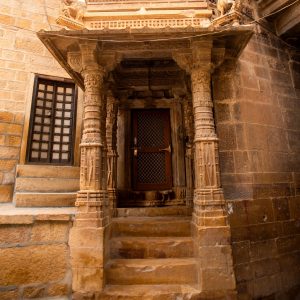
The Jodhpur food walk takes you through the old city to try local favourites such as mirchi bada, pyaaz kachori, ghevar and makhaniya lassi at popular neighbourhood stalls. The city walk in Jodhpur covers the blue-painted havelis, old markets and lanes around Mehrangarh Fort, with stories about the city’s history and everyday life along the way. Walking also makes it easier to notice the smaller details you might miss from a car, from old doorways to local workshops and market activity.
The Story of the Blue City
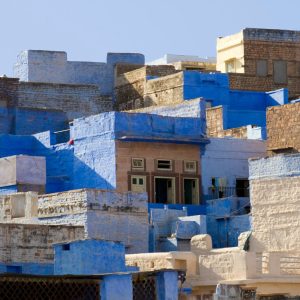
Jodhpur was founded in 1459 by Rao Jodha, a Rathore ruler who chose a rocky ridge for his new capital and built Mehrangarh Fort above it. The settlement grew around the fort, eventually developing the blue-painted houses that gave Jodhpur its nickname, the Blue City. There are several explanations for the colour. One connects it to Brahmin households, while another suggests that the blue helped keep homes cooler during the hot summer months. Whatever its original purpose, the colour became one of the city’s defining features.
Jodhpur’s craft traditions developed alongside the city and were passed down through families and apprenticeships. Jutti making, textile dyeing and metal engraving are among the crafts that continue to be practised here, although some have become increasingly rare. Mehrangarh remains the city’s most recognisable landmark, while Jaswant Thada, built from white marble, sits nearby. Both offer a glimpse into Jodhpur’s history, but many of its traditional skills are still being practised in workshops across the old city.
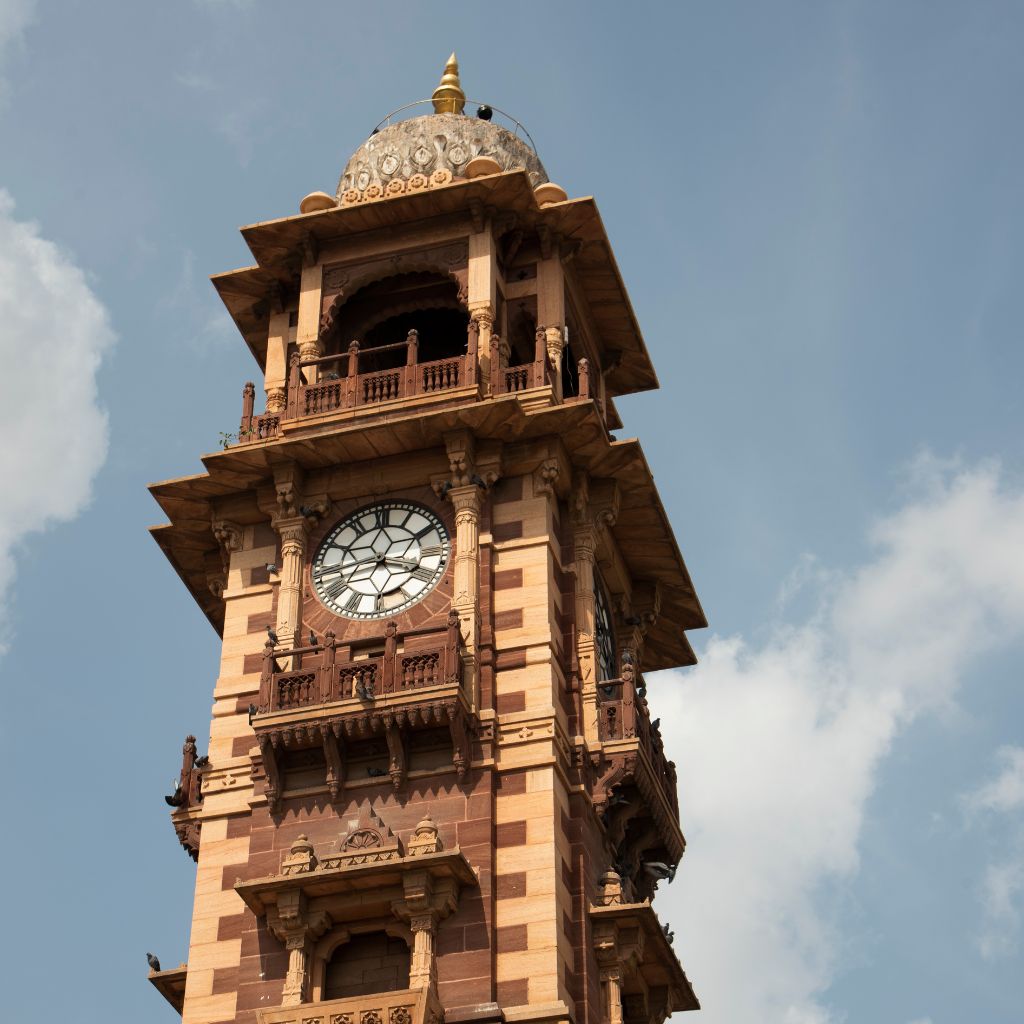
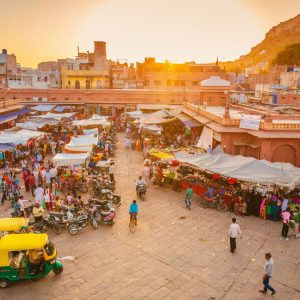
Food is another important part of the authentic Jodhpur experience. Dal baati churma, mirchi bada and makhaniya lassi are some of the local specialities worth trying. Around the Clock Tower and Sardar Market, you’ll find plenty of shops and stalls serving them alongside the everyday bustle of the old city.
Why Explore Jodhpur With Rajasthan Studio
We work directly with the artisans and locals who host our experiences, so your booking goes towards the people sharing their craft, food and knowledge with you. It also gives you the opportunity to meet practitioners who are actively working in their communities and learn about Jodhpur from their perspective.
Our workshops in Jodhpur are kept small so that every participant gets time with the artisan and can actually try the craft. The walks are similarly designed for smaller groups, giving you more time to interact with your host and explore the city without rushing from one stop to another.
Rajasthan Studio has been recognised for its work in cultural diversity and sustainable, community-focused tourism. In Jodhpur, that approach means spending time with local artisans, exploring neighbourhoods with people who know them well, and getting a closer look at the traditions that continue to shape the city.
Planning Your Time in Jodhpur
Two days are enough to visit Mehrangarh Fort, explore the old city and fit in one craft workshop. If you have three days, you can add another workshop to your Jodhpur itinerary or join a food walk without having to pack too much into each day.
Best time to visit: October to March is generally the most comfortable period for exploring Jodhpur on foot and spending time at outdoor or open-air workshops. April to September sees fewer visitors, but temperatures can be particularly high from April to June.
Frequently Asked Questions for Things to do in Jodhpur